Ayodhya, the sacred birthplace of Lord Rama, is one of the most revered spiritual destinations in India. Known for its deep religious significance and rich mythological history, the city offers numerous places to visit in Ayodhya for pilgrims, history enthusiasts, and cultural travelers alike.
From grand temples to ancient ghats and serene parks, every corner of Ayodhya reflects its timeless spiritual essence and cultural heritage.
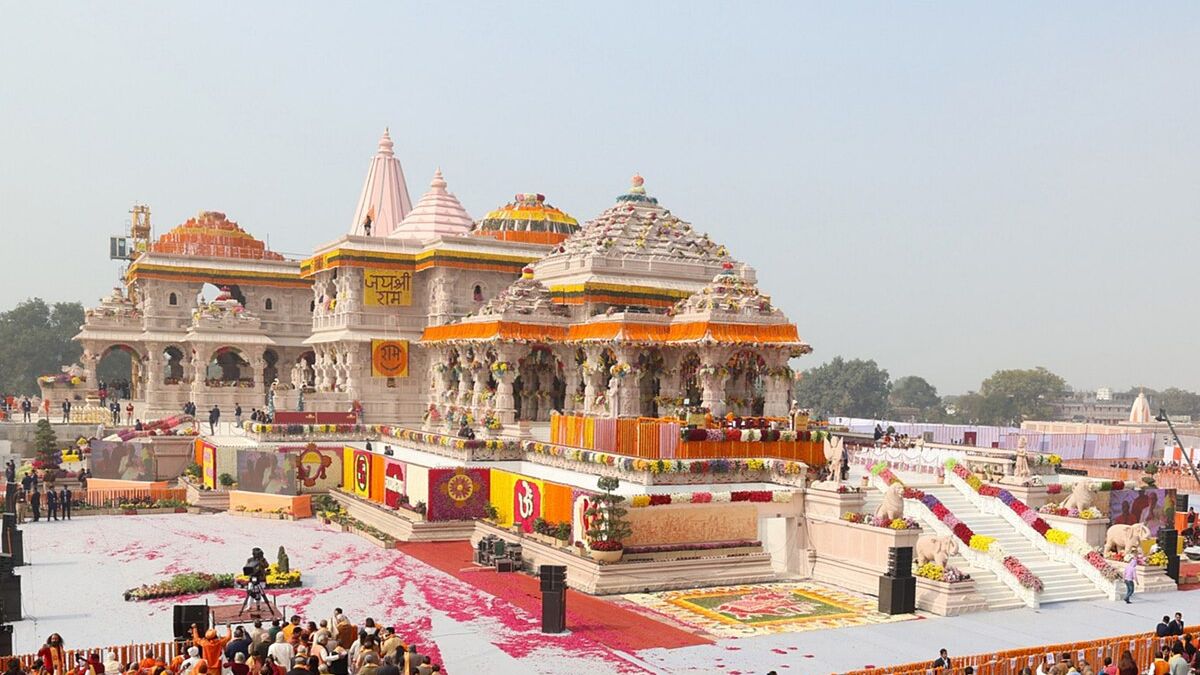
Among the top places to visit in Ayodhya is the magnificent Shri Ram Janmabhoomi Temple, built at the believed birthplace of Lord Rama.
Other important places include Hanuman Garhi, a hilltop temple dedicated to Lord Hanuman offering panoramic views of the city, and Kanak Bhawan, a beautifully decorated temple associated with Goddess Sita.
Visitors also flock to Sita Ki Rasoi, a symbolic royal kitchen said to have been used by Sita, adding historical and devotional depth to their visit.
In addition to religious spots, Ayodhya also offers tranquil places to visit like Guptar Ghat on the banks of the Sarayu River, where devotees gather for evening aartis and rituals.
The Ram Katha Park hosts cultural events and spiritual discourses, making it a peaceful space for reflection. Whether you’re on a spiritual journey or exploring India’s epic heritage, the many places to visit in Ayodhya promise a fulfilling and soul-enriching experience.
Also Read: 15 Best Places to Visit in Lucknow
Shri Ram Janmabhoomi Temple
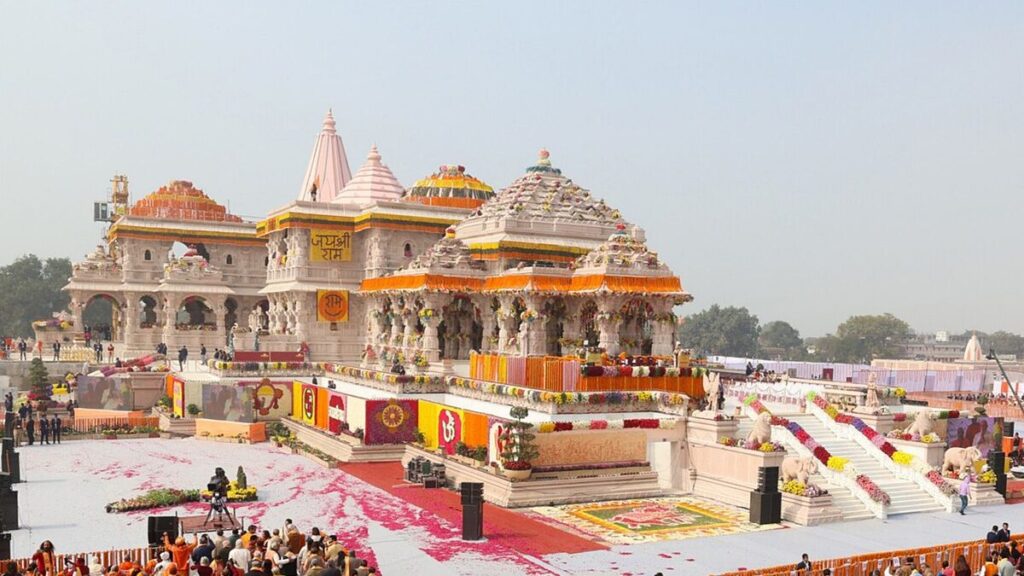
Shri Ram Janmabhoomi Temple is one of the most revered and spiritually significant places to visit in Ayodhya. Located at the believed birthplace of Lord Rama, this grand temple has deep religious importance for Hindus across the world.
After years of historical and legal discussions, the temple’s construction began in full force following the Supreme Court’s verdict in 2019. Today, it stands as a symbol of faith, cultural heritage, and national pride, making it one of the top places to visit in Ayodhya.
Among the many sacred places to visit in Ayodhya, Shri Ram Janmabhoomi Temple attracts millions of pilgrims and tourists who come to pay their respects and experience its divine aura.
The temple’s design features magnificent stone carvings, traditional architecture, and intricate depictions from the Ramayana, creating a deeply immersive spiritual atmosphere.
With its grand sanctum, sprawling courtyards, and ongoing development of surrounding areas, the temple is a focal point of devotion and tourism in Ayodhya.
For those seeking spiritual and cultural enrichment, Shri Ram Janmabhoomi Temple is a must-visit destination. It not only represents the essence of Ayodhya’s religious identity but also showcases India’s ancient architectural brilliance.
As one of the most iconic places to visit in Ayodhya, the temple is a centerpiece of faith, drawing visitors from all corners of the country and the world.
Hanuman Garhi Temple
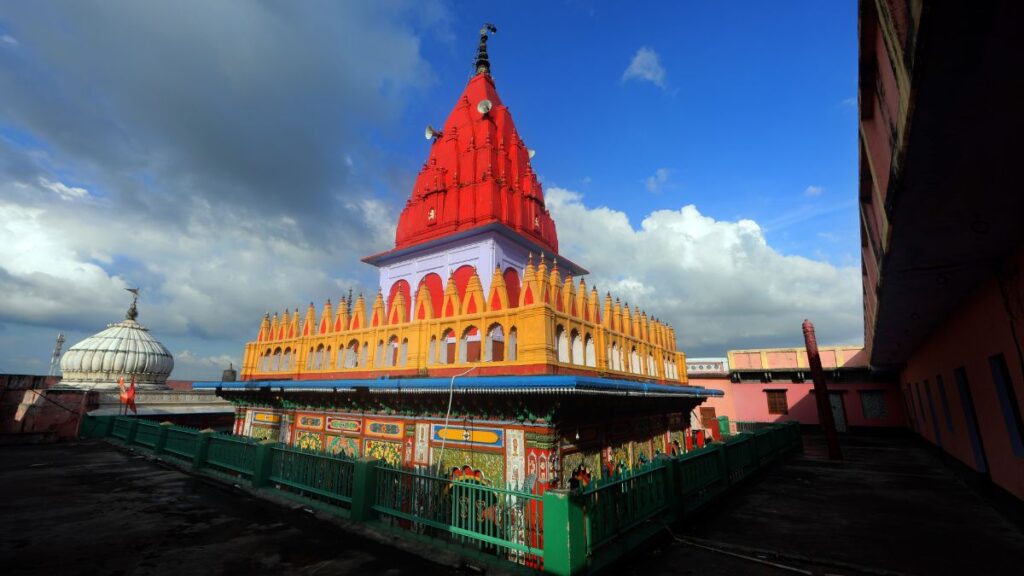
Hanuman Garhi Temple is one of the most sacred and frequently visited places in Ayodhya, dedicated to Lord Hanuman, the devoted disciple of Lord Rama.
Located in the heart of the city, this ancient temple is perched on a small hill and is believed to guard the birthplace of Lord Rama.
To reach the sanctum, visitors climb a series of 76 steps, where a grand idol of Lord Hanuman with child Lord Rama in his lap awaits, symbolizing unwavering devotion and protection.
Among the top spiritual places to visit in Ayodhya, Hanuman Garhi holds special importance, especially for devotees who believe that a visit to Ayodhya is incomplete without first seeking blessings at this temple.
The temple is always bustling with devotees and is particularly vibrant during festivals like Ram Navami and Hanuman Jayanti. The architecture, featuring fortified walls and ancient carvings, adds to the temple’s majestic and spiritual aura.
For anyone exploring religious and cultural places to visit in Ayodhya, Hanuman Garhi Temple offers a deeply devotional experience. The views from the top provide a panoramic glimpse of the holy city, enhancing the spiritual ambiance.
With its rich legends and divine atmosphere, Hanuman Garhi remains a must-visit destination for pilgrims and tourists alike, representing the heart of Ayodhya’s spiritual journey.
Also Read: 8 Best Temples in Ayodhya You Must Visit
Kanak Bhawan
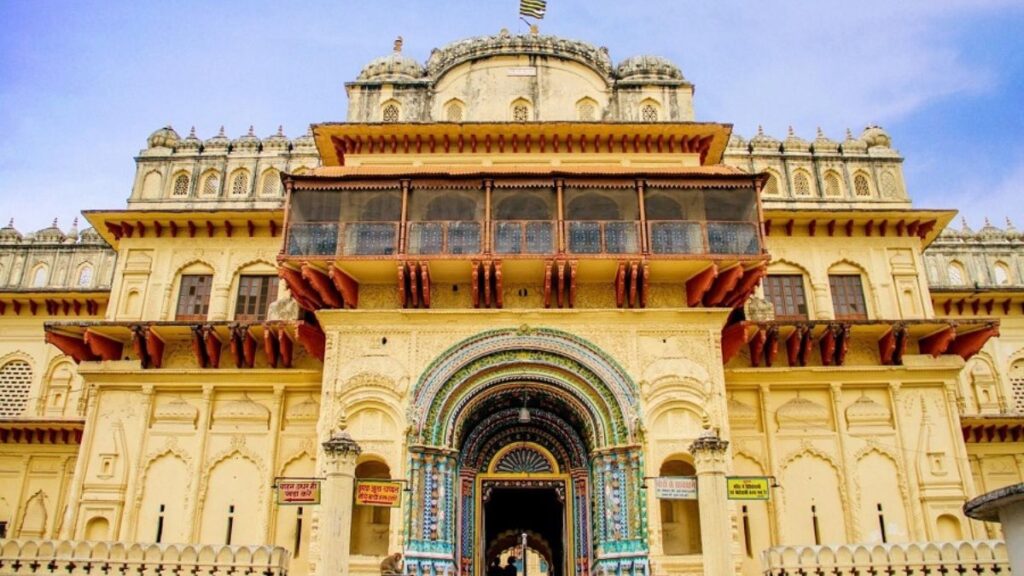
Kanak Bhawan is one of the most beautiful and cherished places to visit in Ayodhya, known for its vibrant architecture and deep mythological significance. Situated near the Ram Janmabhoomi complex, this ornate temple is dedicated to Lord Rama and Goddess Sita.
According to legend, Kanak Bhawan was gifted to Sita by Queen Kaikeyi after her marriage to Rama, making it a symbol of love, devotion, and royal blessings.
Among the many spiritual places to visit in Ayodhya, Kanak Bhawan stands out for its richly decorated interiors and the stunning idols of Rama and Sita adorned in gold and jeweled ornaments.
The temple’s name “Kanak” means “gold,” which reflects the dazzling grandeur of the shrine. Pilgrims and visitors are often captivated by the peaceful atmosphere, colorful murals, and intricate carvings that adorn this sacred space.
For travelers exploring religious and historical places to visit in Ayodhya, Kanak Bhawan offers a serene and spiritually uplifting experience.
Whether you’re a devotee or a lover of traditional Indian architecture, a visit to this temple provides a deeper understanding of Ayodhya’s divine heritage and cultural charm. It remains one of the most enchanting and revered spots in the holy city.
Shri Nageshwarnath Temple
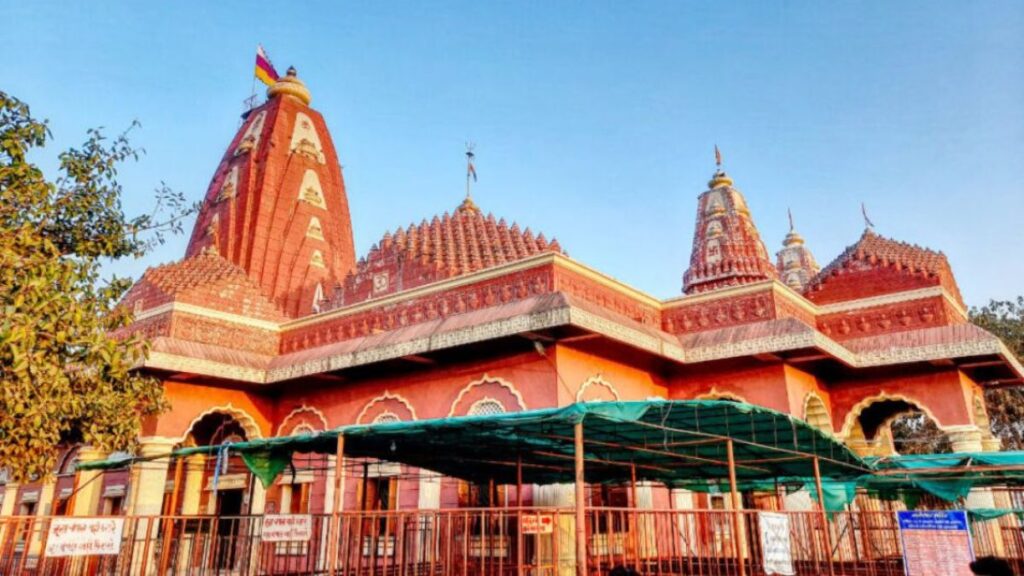
Shri Nageshwarnath Temple is one of the oldest and most revered places to visit in Ayodhya, holding great significance in the city’s spiritual landscape. Dedicated to Lord Shiva, the temple is believed to have been established by Kush, the son of Lord Rama.
According to legend, Kush built the temple in honor of a Naga princess who worshipped Lord Shiva, making it a symbol of devotion and divine connection.
Among the many sacred places to visit in Ayodhya, Shri Nageshwarnath Temple stands out for its rich mythological background and traditional architecture.
Located near the Ram Ki Paidi and close to the banks of the Sarayu River, the temple is a peaceful retreat for devotees and tourists alike. It becomes especially vibrant during festivals like Mahashivratri, when thousands of worshippers gather to offer prayers and perform rituals.
For those exploring spiritual and historical places to visit in Ayodhya, a visit to Shri Nageshwarnath Temple offers a unique glimpse into the city’s ancient past and its enduring religious traditions.
The temple’s serene ambiance, coupled with its storied origin, makes it a must-visit destination for anyone seeking to experience the deep spiritual roots of Ayodhya.
Gulab Bari
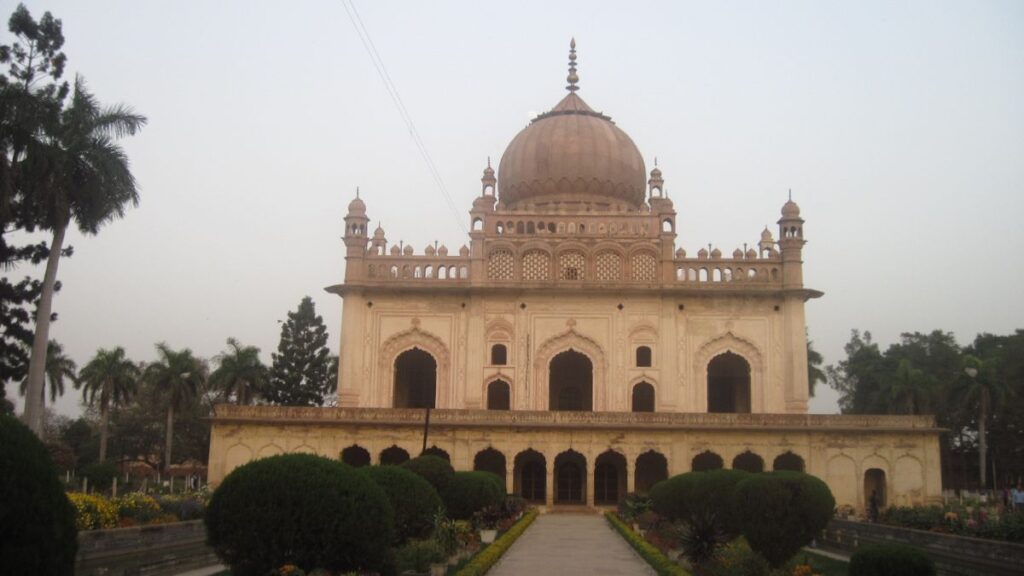
Gulab Bari, meaning “Garden of Roses,” is one of the most charming and historically rich places to visit in Ayodhya.
Located in the nearby town of Faizabad, just a few kilometers from the heart of Ayodhya, this beautiful complex is the mausoleum of Nawab Shuja-ud-Daula, the third Nawab of Awadh. Known for its Mughal-style architecture, lush rose gardens, and serene ambiance, Gulab Bari offers a peaceful escape and is a must-visit for history lovers and nature enthusiasts.
Among the many cultural places to visit in Ayodhya, Gulab Bari stands out for its symmetrical design, arched doorways, and ornate domes that reflect the architectural elegance of the 18th century.
The main tomb is surrounded by fountains, walkways, and blooming rose beds, making it a picturesque location for photography and quiet strolls. The complex also includes a mosque and several smaller structures that highlight the rich Indo-Islamic heritage of the region.
For visitors looking to explore beyond the temples and spiritual sites, Gulab Bari offers a refreshing perspective on the royal and cultural history of Ayodhya.
It’s one of those unique places to visit in Ayodhya where nature, history, and architecture blend seamlessly, making it a memorable stop on your journey through this sacred and historic city.
Also Read: 9 Famous Temples in Mathura You Must Visit
Treta Ka Thakur
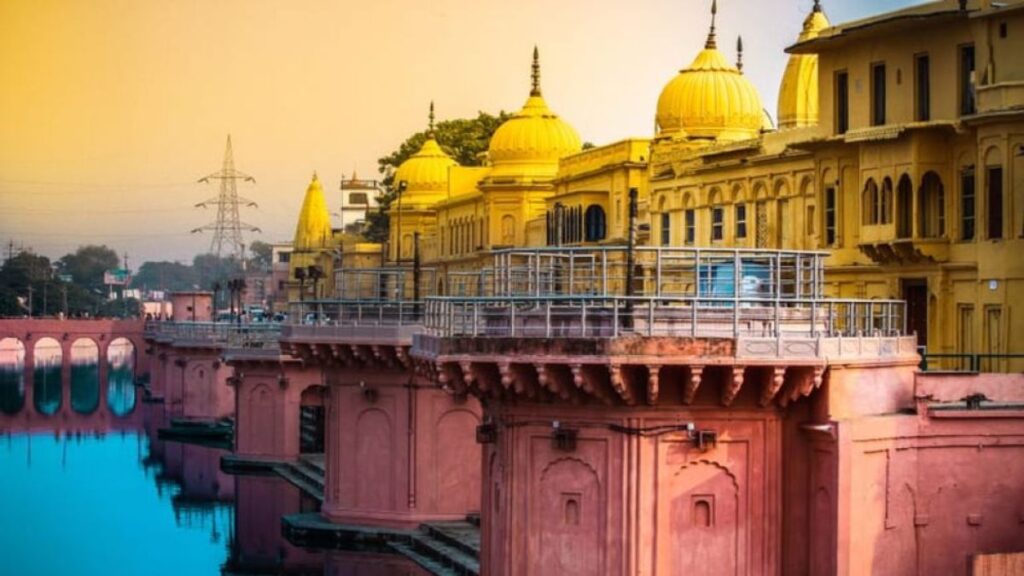
Treta Ka Thakur is one of the most ancient and revered places to visit in Ayodhya, deeply connected to the epic Ramayana and the life of Lord Rama. It is believed to mark the spot where Lord Rama conducted the Ashwamedha Yajna (horse sacrifice) after returning to Ayodhya from his exile.
The temple located here houses beautifully carved black stone idols of Rama, Sita, Lakshmana, Bharat, Shatrughna, and Hanuman, which are said to be more than 3,000 years old and were later installed by King Vikramaditya.
Among the sacred places to visit in Ayodhya, Treta Ka Thakur holds immense spiritual importance and is visited by thousands of devotees seeking blessings and a connection to Lord Rama’s divine past.
The temple is usually open to the public only once a year on Ekadashi in the Hindu month of Kartik, making a visit during this time especially significant for pilgrims and spiritual travelers.
For those exploring mythological and devotional places to visit in Ayodhya, Treta Ka Thakur offers a profound experience rooted in ancient legend and devotion.
Surrounded by a serene environment and steeped in history, this temple stands as a powerful symbol of Ayodhya’s rich religious heritage and continues to attract visitors from across the country.
Choti Chawni or Valmiki Bhawan or Maniramdas Chawni

Choti Chawni, also known as Valmiki Bhawan or Maniramdas Chawni, is one of the most spiritually enriching and architecturally impressive places to visit in Ayodhya.
This grand religious complex is dedicated to Sage Valmiki, the revered author of the Ramayana, and also serves as the headquarters of the Ramanandi sect, a major Vaishnavite tradition.
Located near Hanuman Garhi, Choti Chawni is a must-visit destination for those interested in Ayodhya’s deep spiritual roots and religious traditions.
Among the sacred places to visit in Ayodhya, Choti Chawni stands out for its white marble architecture, peaceful surroundings, and devotional ambiance. The complex houses temples, meditation halls, and residential quarters for saints and devotees.
Its serene environment offers a perfect space for prayer, reflection, and learning about the spiritual teachings associated with Lord Rama and Sage Valmiki.
For travelers exploring religious and historical places to visit in Ayodhya, Choti Chawni or Valmiki Bhawan provides a unique blend of devotion, scholarship, and community life.
A visit here allows you to experience the living traditions of the Ramayana and gain deeper insight into the spiritual heritage of Ayodhya. It’s a peaceful yet powerful stop on any journey through this sacred city.
Tulsi Smarak Bhawan
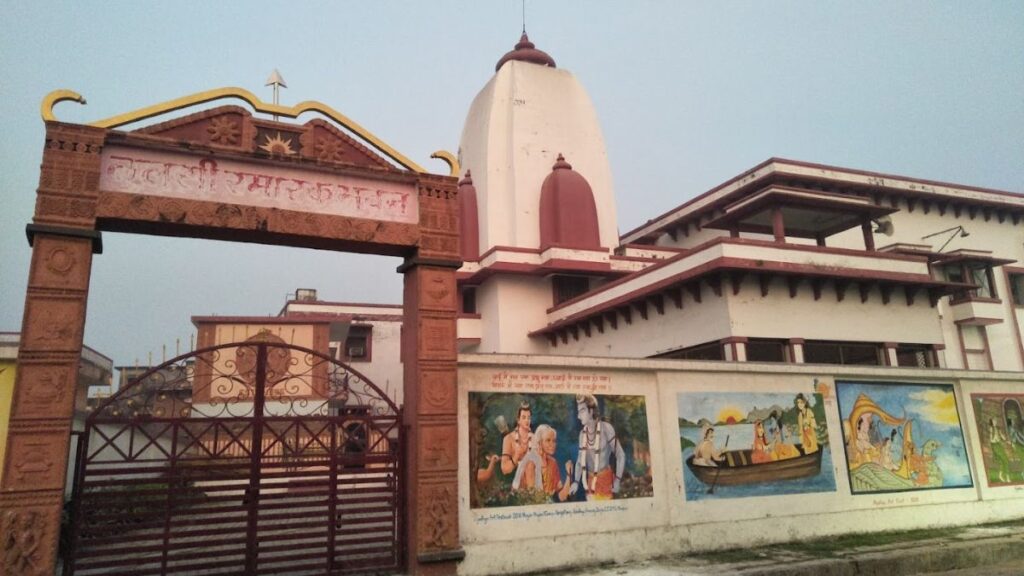
Tulsi Smarak Bhawan is one of the most culturally significant places to visit in Ayodhya, dedicated to the great poet-saint Goswami Tulsidas, who composed the Ramcharitmanas.
Located near the heart of the city, this memorial is a serene and scholarly destination that honors Tulsidas’s literary and spiritual contributions. It is among the top places in Ayodhya for those interested in the Ramayana and the cultural history of India.
One of the key attractions of Tulsi Smarak Bhawan is the Ayodhya Research Centre, which houses a rich collection of manuscripts, scriptures, and literature related to Lord Rama and Tulsidas.
The complex also features a museum that showcases artifacts and paintings depicting scenes from the Ramcharitmanas. Visitors can attend spiritual discourses, music recitals, and cultural programs held regularly at the venue, making it a vibrant center for devotional and artistic expression.
For travelers and pilgrims seeking meaningful and educational places to visit in Ayodhya, Tulsi Smarak Bhawan offers a peaceful and inspiring atmosphere.
A visit to this site not only provides insights into the life and works of Tulsidas but also deepens the understanding of Ayodhya’s role as a timeless center of devotion and culture.
Also Read: 15 Best Places to Visit in Gorakhpur
Bahu Begum Maqbara
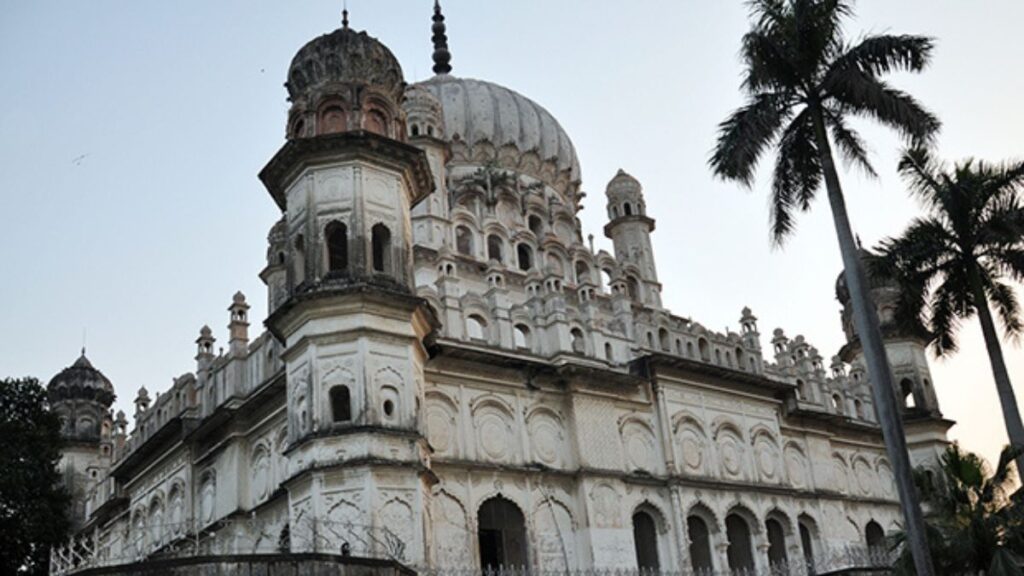
Bahu Begum Maqbara is one of the most elegant and historically significant places to visit in Ayodhya, located in the neighboring town of Faizabad.
This stunning 18th-century mausoleum was built in memory of Begum Unmatuzzohra Bano, the wife of Nawab Shuja-ud-Daula, and is considered one of the finest examples of Awadhi architecture.
Among the many cultural places near Ayodhya, the Bahu Begum Maqbara stands out for its architectural grandeur and serene ambiance.
Often referred to as the “Taj Mahal of the East,” the maqbara is renowned for its three-story structure, graceful domes, and intricate detailing. It is one of the tallest buildings in Faizabad and offers panoramic views of the surrounding city.
The monument beautifully blends Mughal and Persian architectural elements, making it a must-visit for history lovers and architecture enthusiasts exploring Ayodhya and its surroundings.
For those interested in exploring the royal heritage of the region, Bahu Begum Maqbara is a unique and majestic stop among the places to visit in Ayodhya.
Its peaceful gardens, historical significance, and timeless beauty offer a quiet escape from the spiritual hustle of the main city, adding depth and diversity to any visit to this sacred region.
Ram Ki Paidi
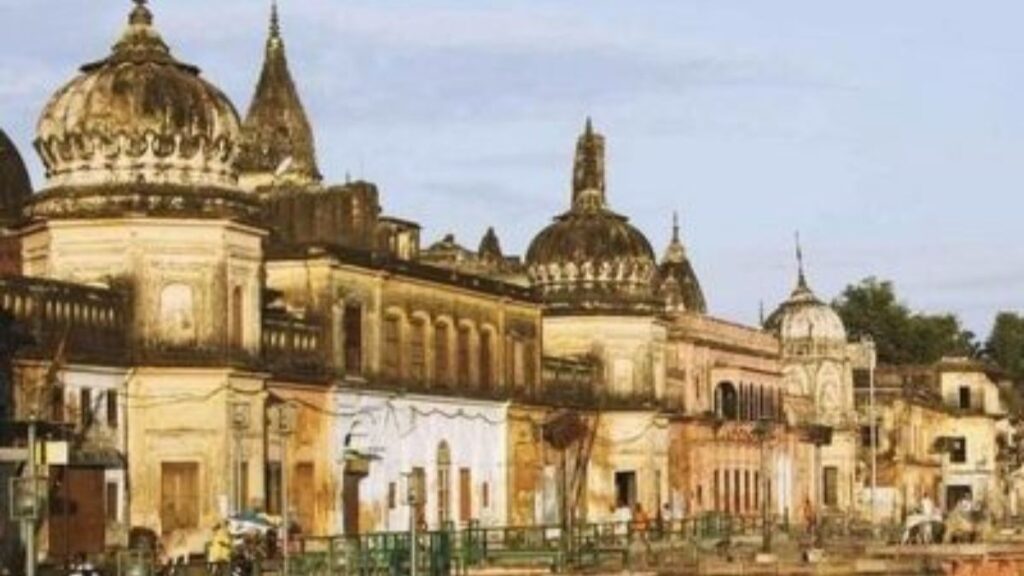
Ram Ki Paidi is one of the most iconic and spiritually uplifting places to visit in Ayodhya, situated along the banks of the sacred Sarayu River. This beautifully constructed series of ghats is named after Lord Rama and holds great religious importance for Hindu devotees.
Pilgrims flock to Ram Ki Paidi for ritual baths, especially during festivals and auspicious days, making it one of the busiest and most revered places in Ayodhya.
Among the various places to visit in Ayodhya, Ram Ki Paidi stands out for its serene atmosphere and scenic beauty. The ghats are a popular spot for evening aarti ceremonies, where the rhythmic chants, glowing lamps, and devotional music create a mesmerizing spiritual experience.
During Deepotsav and Ram Navami celebrations, the entire area is illuminated with thousands of earthen lamps, transforming it into a divine spectacle.
For travelers seeking a deep spiritual connection or simply a peaceful place to reflect, Ram Ki Paidi is a must-visit destination in Ayodhya.
Whether you’re taking a holy dip in the Sarayu, witnessing the grandeur of the evening rituals, or enjoying a tranquil boat ride, the ghats offer a timeless experience that captures the soul of Ayodhya’s sacred heritage
Ram Katha Museum

The Ram Katha Museum (also called Ram Katha Sangrahalaya) is one of the most fascinating places to visit in Ayodhya, offering a deep dive into the epic life of Lord Rama and the history of the temple movement.
Located on the banks of the Sarayu and near the Ram Katha Park, this cultural museum is a treasure trove of ancient artifacts, manuscripts, artwork, and modern interactive displays.
Inside, you’ll find over 1,000 rare and precious items—including ancient coins, terracotta sculptures, palm-leaf manuscripts, relics excavated from the Ram Janmabhoomi site, and even personal items related to the famed Gumnami Baba.
The collection spans from the Gupta and Shunga eras to contemporary times, making it a compelling visit for history buffs and spiritual seekers alike .
What makes this museum a standout place to visit is its immersive galleries. Open six days a week (excluding Mondays) from around 10:00 AM to 4:30 PM, the museum features 12 thematic galleries across three floors.
Five of them use cutting-edge technologies—including 3D, 7D, and immersive formats—to recreate scenes from the Ramayana and highlight Lord Hanuman’s devotion, the 500-year struggle for the Ram Temple, and more.
A visit to the Ram Katha Museum is a richly layered experience—blending spirituality, mythology, archaeology, and modern storytelling.
It stands as a must-see addition to the list of places to visit in Ayodhya, complementing the holy ghats and ancient temples with a vivid journey through the epic’s enduring legacy.
Moti Mahal or Pearl Palace

Moti Mahal, also known as the Pearl Palace, is one of the lesser-known yet historically significant places to visit in Ayodhya. Located in the nearby town of Faizabad, this graceful palace was built during the Nawabi era and served as a residence for royal family members. Its name, “Moti Mahal” or “Palace of Pearls,” reflects the elegance and charm of its Mughal-inspired architecture, featuring domes, arches, and finely detailed design elements.
Among the historical places to visit in Ayodhya, Moti Mahal stands out for its quiet grandeur and connection to the cultural heritage of the region. Though not as widely visited as the temples and ghats of Ayodhya, this palace gives a glimpse into the royal lifestyle and artistic sensibilities of the Nawabs of Awadh. The structure is surrounded by gardens and open courtyards, providing a tranquil space that contrasts with the spiritual hustle of the city.
For travelers who enjoy exploring offbeat and architectural places to visit in Ayodhya, Moti Mahal offers a peaceful and historically rich experience. A visit to this palace adds depth to your understanding of the region’s Nawabi past and provides a beautiful setting for photography and quiet reflection amidst Ayodhya’s sacred and royal landmarks.
Dashrath Bhavan

Dashrath Bhavan is one of the most sacred and culturally rich places to visit in Ayodhya, believed to be the royal residence of King Dashrath, the father of Lord Rama. Located in the heart of the city, near the Ram Janmabhoomi complex, this ancient palace holds immense religious significance as the birthplace of Lord Rama and his brothers—Lakshmana, Bharata, and Shatrughna. For devotees and spiritual travelers, it is one of the most revered places in Ayodhya.
Among the must-see places to visit in Ayodhya, Dashrath Bhavan offers a blend of divine ambiance, historical importance, and traditional art. The temple complex within the palace features beautifully adorned idols of Lord Rama and his family, and the walls are decorated with intricate paintings from the Ramayana. Devotional singing and chanting often fill the air, creating a serene and spiritually uplifting experience for every visitor.
For those exploring the divine journey of Lord Rama, Dashrath Bhavan is a meaningful stop that connects you to the roots of Ayodhya’s legendary past. It stands as a symbol of royal devotion and dharma, making it an essential place to visit in Ayodhya for pilgrims, history lovers, and anyone seeking a deeper connection with India’s spiritual heritage.
Guptar Ghat
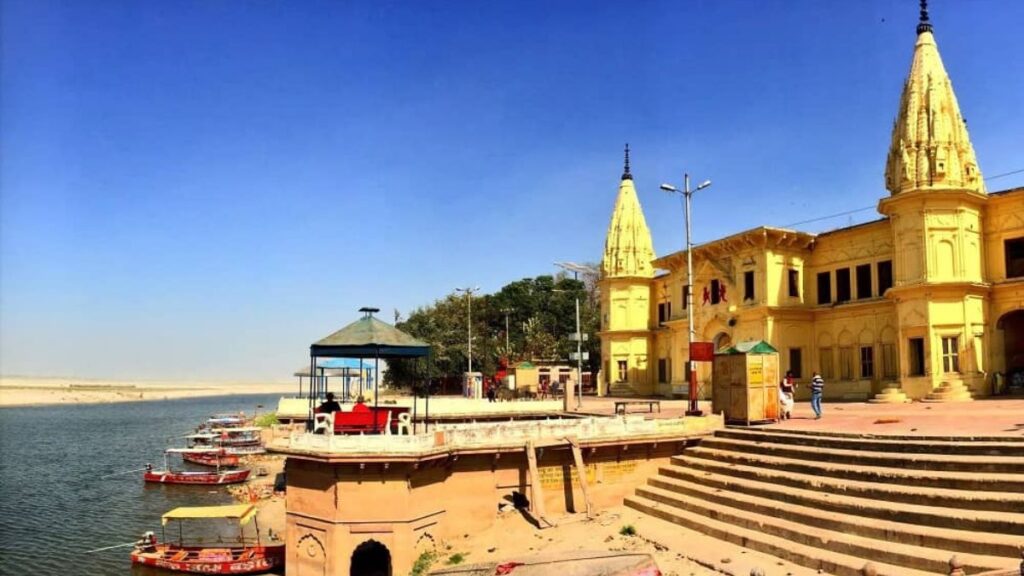
Guptar Ghat is a serene and spiritually charged place to visit in Ayodhya, located about 10 km from the city center along the sacred banks of the Sarayu River. It is believed to be the exact spot where Lord Rama performed jal samadhi, marking his divine departure to Vaikuntha—making it a profound site of reflection and reverence.
One of the more tranquil places to visit in Ayodhya, Guptar Ghat is distinguished by its peaceful ghats set against lush, historic surroundings formerly known as Company Gardens, now Guptar Ghat Van.
Visitors can perform rituals such as bathing in the Sarayu—believed to purify sins—while taking in the atmosphere of devotion. The riverside is also dotted with shrines dedicated to Sita-Ram, Narasingh, and Chakra Hari, creating a small yet meaningful spiritual landscape.
In recent years, the ghat has been thoughtfully renovated with modern amenities—a meditation and yoga center, landscaped gardens, kiosks, and boating facilities—to enhance its appeal as both a spiritual retreat and a tourist-friendly destination.
Though open 24/7 with no entry fee, the best time to visit is between October and March when the weather is comfortable, especially during festivals like Kartik Purnima, Ram Navami, and Diwali, when the ghat takes on a devotional glow.
Mani Parvat

Mani Parvat is one of the most unique and spiritually significant places to visit in Ayodhya, offering a blend of mythology, history, and panoramic beauty. This small hillock, located near the heart of the city, rises about 65 feet above ground level and holds a sacred place in Hindu tradition.
According to legend, it is believed that a portion of the Sanjeevani mountain, which Lord Hanuman carried during the Ramayana to save Lakshmana, fell at this spot—thus giving rise to Mani Parvat.
Among the sacred and scenic places to visit in Ayodhya, Mani Parvat offers not only religious value but also stunning views of the city and the Sarayu River from its summit.
The site houses ancient shrines dedicated to Lord Shiva, Lord Rama, and Buddha, reflecting the religious diversity and historical richness of the area. Several rare medicinal plants are also said to grow on this hill, reinforcing its legendary association with the Sanjeevani herb.
For pilgrims, history buffs, and nature lovers alike, Mani Parvat is a peaceful and spiritually charged place to visit in Ayodhya.
Whether you’re climbing to offer prayers, admire the architecture of its temples, or simply enjoy the view, a visit to Mani Parvat adds depth to the spiritual journey through Ayodhya’s sacred landscape.
Sita Ki Rasoi

Sita Ki Rasoi is one of the most revered and culturally rich places to visit in Ayodhya, offering a unique glimpse into the legendary domestic life of Lord Rama and Goddess Sita.
Located near the Ram Janmabhoomi complex, this ancient site is believed to be the royal kitchen used by Sita after her marriage to Lord Rama. The name literally translates to “Sita’s Kitchen,” and it holds deep significance for devotees who revere Sita as the ideal wife and homemaker.
Among the sacred places to visit in Ayodhya, Sita Ki Rasoi stands out for its symbolic and devotional value. Inside the temple structure, you can find symbolic kitchenware, utensils, and idols of Sita, Rama, Lakshmana, Bharata, and Shatrughna.
The site reflects the cultural values of simplicity, service, and devotion associated with Sita, making it a meaningful visit for pilgrims and visitors who want to connect with the human side of the Ramayana epic.
For those exploring spiritual and historical places to visit in Ayodhya, Sita Ki Rasoi offers a serene and thought-provoking experience.
It is not just a place of worship, but also a tribute to the ideals of dharma, family, and selfless service. A visit here adds a deeper emotional and cultural layer to your journey through Ayodhya’s sacred landscape.