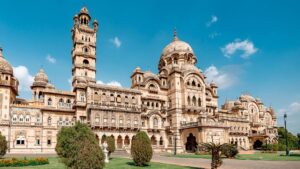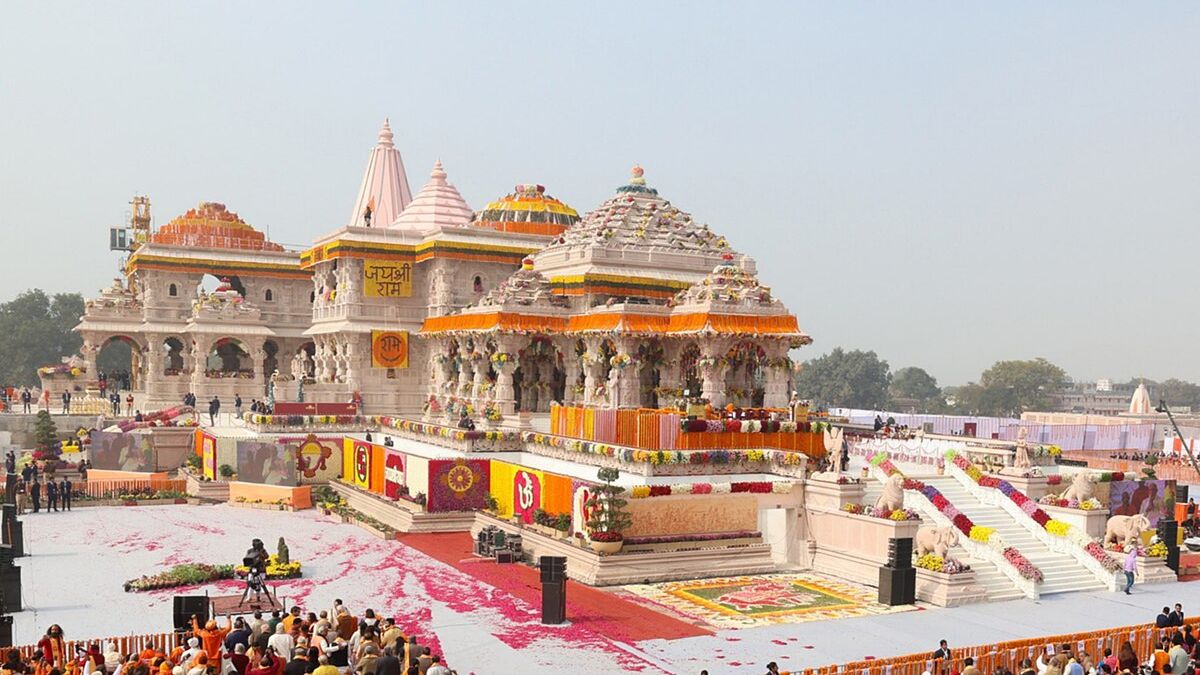
Ayodhya is home to numerous temples with deep religious, historical, and architectural significance. It is one of the seven sacred cities in Hinduism, is deeply tied to the epic Ramayana as the birthplace of Lord Rama.
Ayodhya is a city rich in spiritual heritage, renowned for its many temples that celebrate the life and legacy of Lord Rama and the epic Ramayana.
The temples here, such as the grand Ram Janmabhoomi, Hanuman Garhi, Kanak Bhawan, and Nageshwarnath, offer devotees a profound connection to Hindu mythology, history, and culture.
Each temple in Ayodhya holds unique significance—whether it’s the birthplace of Lord Rama, the worship of his devoted follower Hanuman, or shrines dedicated to his family members and other deities.
Together, these temples create a vibrant pilgrimage circuit that attracts millions every year, making Ayodhya one of the most sacred and spiritually enriching destinations in India. Here are the must-visit temples in Ayodhya:
Shri Ram Janmabhoomi Temple
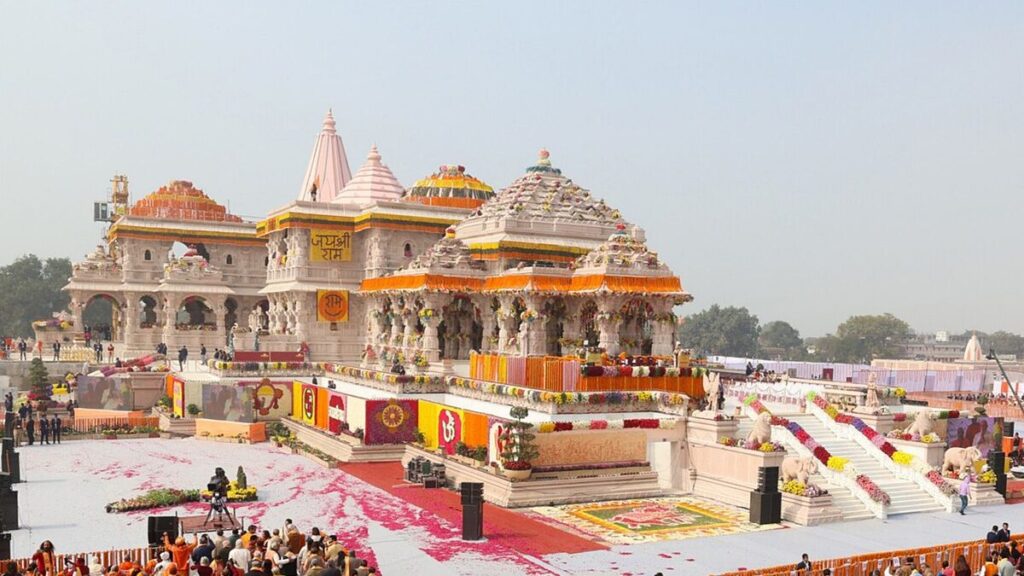
The Ram Janmabhoomi Temple is one of the most sacred and iconic temples in Ayodhya, revered as the birthplace of Lord Rama.
This temple holds immense religious significance for Hindus and draws countless devotees from across India and beyond. It is situated on the banks of the Sarayu River, in a city that has been a center of spiritual and cultural activity for centuries.
As one of the most important temples in Ayodhya, the Ram Janmabhoomi Temple showcases intricate architecture inspired by ancient Indian traditions.
The grand temple structure, currently under construction, reflects a deep commitment to preserving religious heritage. With beautifully carved stone pillars, domes, and sanctum, the temple is designed to be both spiritually uplifting and visually magnificent.
The temple complex is not just a place of worship but also a symbol of faith, unity, and devotion. Its historical and cultural significance adds to Ayodhya’s reputation as a major pilgrimage destination.
Among all temples in the region, the Ram Janmabhoomi Temple stands out as a spiritual beacon, attracting visitors who seek to connect with the divine legacy of Lord Rama.
Hanuman Garhi
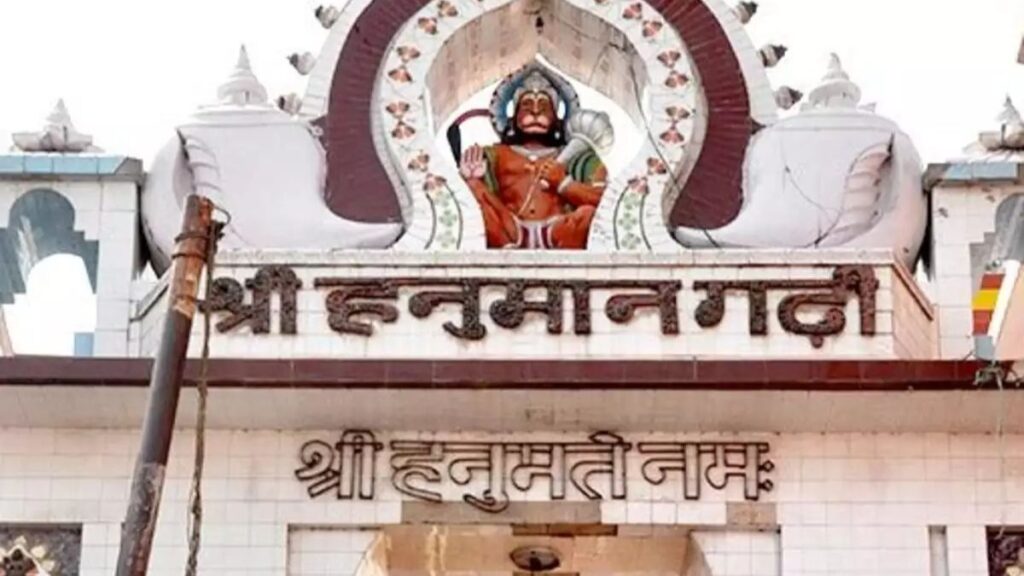
Hanuman Garhi is one of the most important and popular temples in Ayodhya, dedicated to Lord Hanuman, the devoted follower of Lord Rama. Perched atop a small hillock, the temple is reached by climbing 76 steps and offers a panoramic view of the sacred city.
According to legend, Hanuman guarded Ayodhya from this very spot, making it a place of great spiritual significance.
The temple houses a beautiful idol of Hanuman in a seated posture with young Rama in his lap, symbolizing devotion and protection.
With its vibrant spiritual energy, historical importance, and unique location, Hanuman Garhi is not only a must-visit for devotees but also one of the best temples to experience the devotional spirit of Ayodhya.
Also Read: 15 Most Famous Temples in Varanasi for Sacred Pilgrimage
Kanak Bhawan
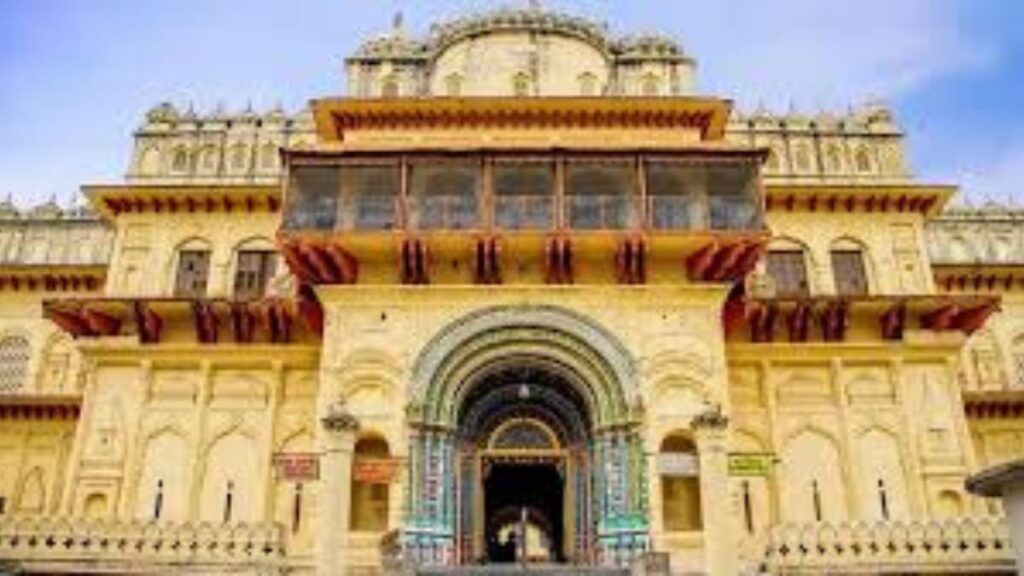
Kanak Bhawan is one of the most beautiful and popular temples in Ayodhya, dedicated to Lord Rama and Goddess Sita. It is believed to have been gifted to Sita by Queen Kaikeyi after her marriage to Rama, making it a symbol of love and royal grace.
The temple stands out for its exquisite architecture, vibrant colors, and richly adorned idols of Rama and Sita in gold ornaments, earning it the name “Kanak” (meaning gold).
The sanctum radiates a divine and peaceful aura that draws devotees and tourists alike. As a site deeply connected to the Ramayana and known for its serene ambiance, Kanak Bhawan remains one of the most cherished and frequently visited temples in Ayodhya.
Nageshwarnath Temple
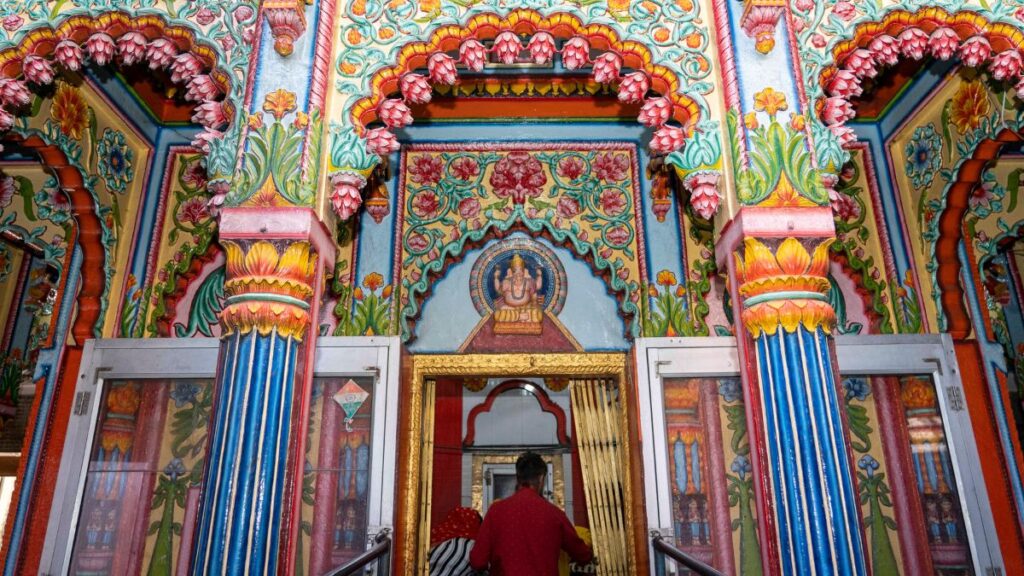
Nageshwarnath Temple is one of the oldest and most revered temples in Ayodhya, dedicated to Lord Shiva. According to legend, it was established by Kush, the son of Lord Rama, in honor of a devotee of Lord Shiva.
Located near the Ram Ki Paidi on the banks of the Sarayu River, the temple holds great religious significance, especially during festivals like Maha Shivaratri, when it draws large crowds of devotees.
Its sacred atmosphere, historical roots, and Shaivite connection make it a key spiritual destination. As one of the few major Shiva temples in a city largely associated with Lord Rama, Nageshwarnath Temple stands out and remains one of the most popular and significant temples in Ayodhya.
Treta Ke Thakur
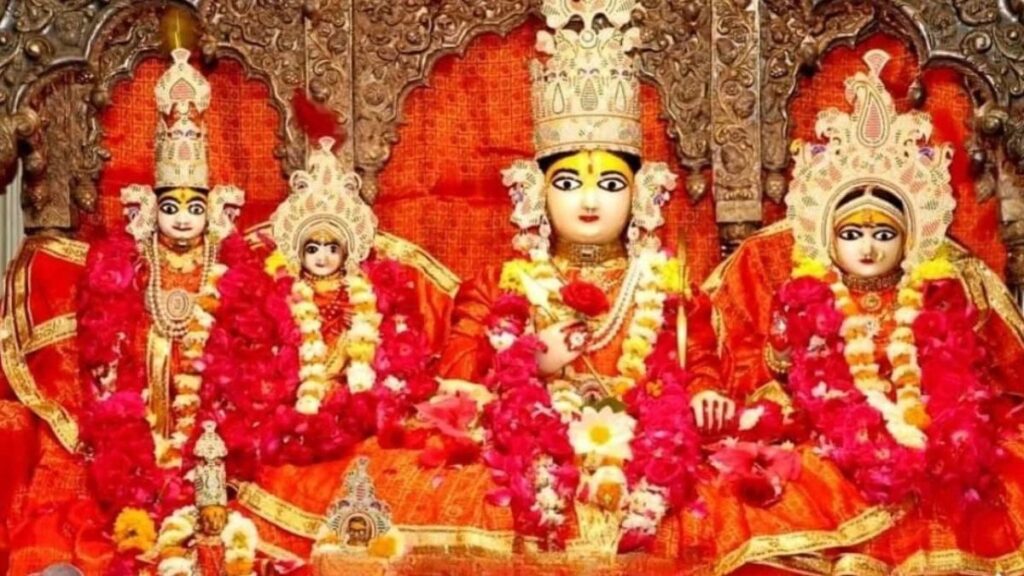
Treta Ka Thakur is one of the most revered and popular temples in Ayodhya, closely associated with the divine legacy of Lord Rama. It is believed to be built on the sacred site where Lord Rama performed the Ashwamedha Yajna, a grand Vedic ritual, after his victorious return to Ayodhya.
The temple houses ancient black stone idols of Rama, Sita, Lakshmana, Bharat, Shatrughna, and Hanuman, which are said to have been installed by the legendary King Vikramaditya.
These idols are not only spiritually significant but also artistically remarkable. Although the temple is open to devotees only on special occasions, its deep historical and mythological roots make Treta Ka Thakur one of the most visited and important temples in Ayodhya.
Also Read: 20 Best Places to Visit in Ayodhya
Sita Ki Rasoi
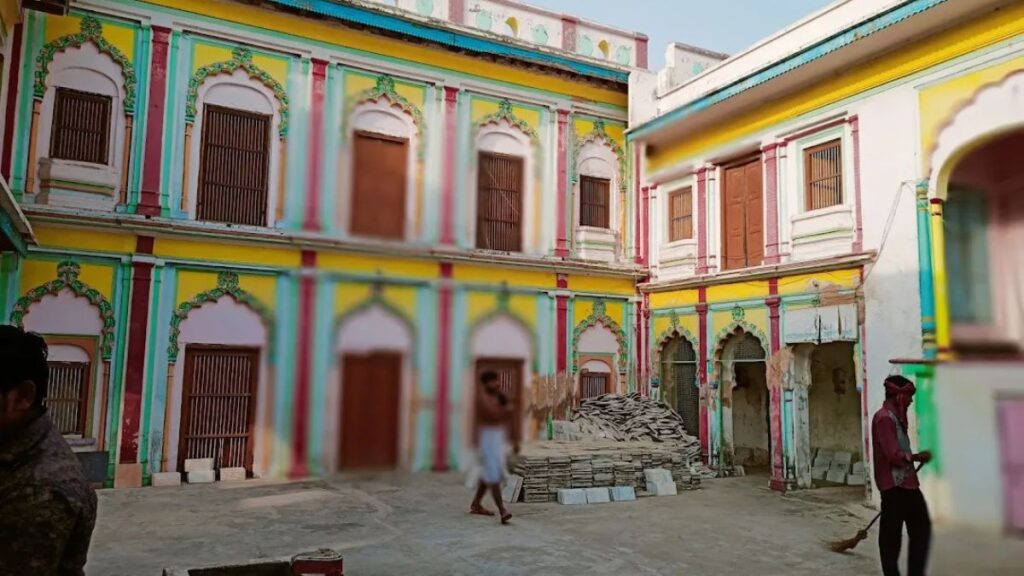
Sita Ki Rasoi is a unique and beloved temple in Ayodhya that holds special significance as the mythical kitchen of Goddess Sita, the wife of Lord Rama.
This small yet culturally rich temple symbolizes the domestic and nurturing aspects of Sita, celebrating her role in the Ramayana as an ideal and devoted wife.
Devotees visit Sita Ki Rasoi to honor her humility and strength, and the temple is known for its sacred kitchen utensils and a sanctified hearth that are preserved as relics.
Its intimate and heartfelt connection to Sita’s life story makes it one of the most popular and cherished temples in Ayodhya, drawing pilgrims who seek blessings of family harmony and devotion.
Dashrath Mahal
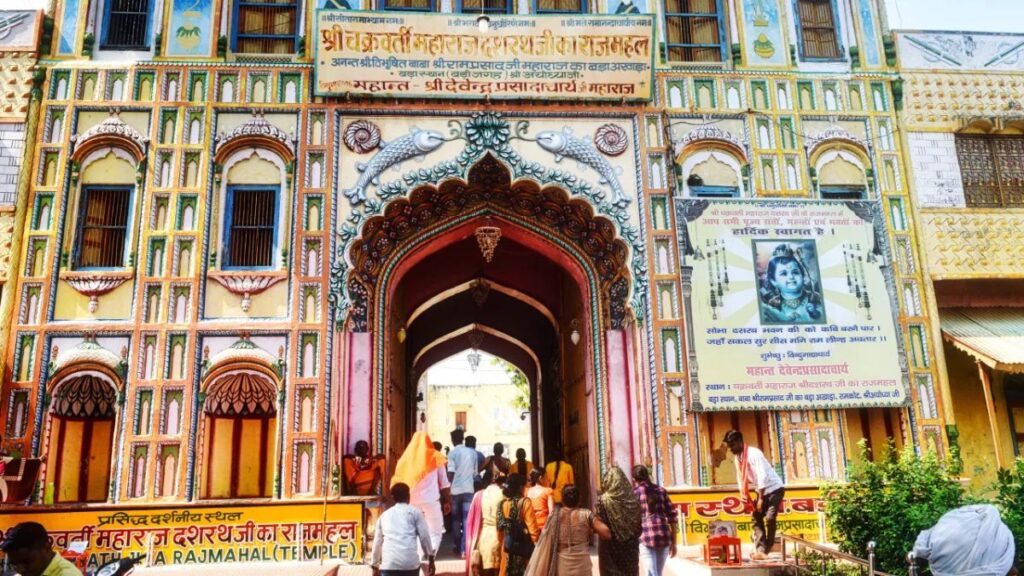
Dashrath Mahal is a historically significant and popular temple in Ayodhya, believed to be the ancient palace of King Dashrath, the father of Lord Rama. This majestic structure reflects the royal heritage and grandeur of the Ikshvaku dynasty, providing visitors with a glimpse into the epic era of the Ramayana.
The temple complex is known for its beautiful architecture, intricate carvings, and devotional atmosphere, attracting pilgrims and history enthusiasts alike.
As a place closely linked to the lineage of Lord Rama, Dashrath Mahal holds a special place in the hearts of devotees, making it one of the most visited and cherished temples in Ayodhya.
Also Read: 15 Temples in Haridwar For The Ultimate Pilgrimage Trip
Shri Kale Ram Temple
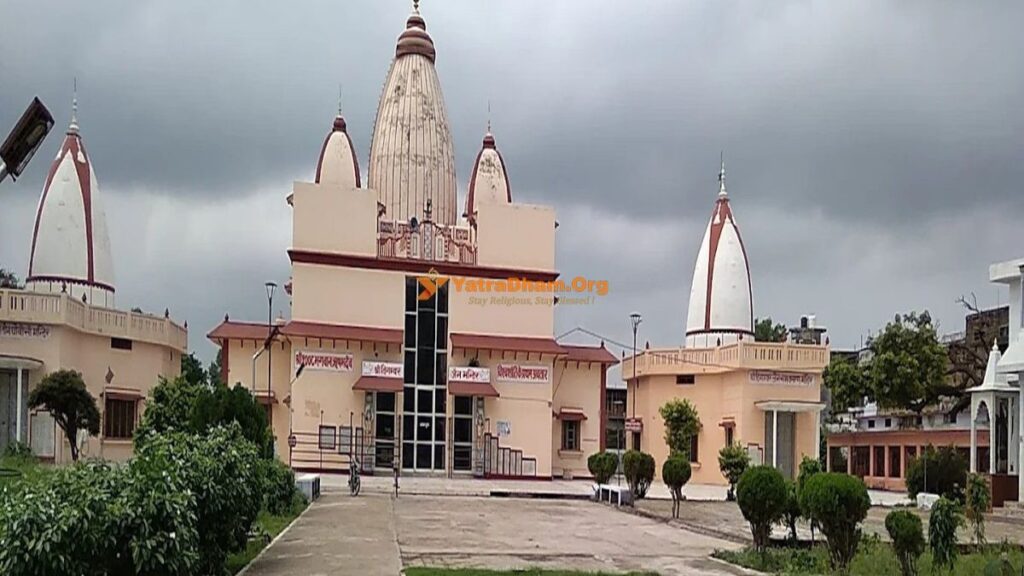
The Shri Kale Ram Temple in Ayodhya is a revered and historically significant site, dedicated to Lord Rama and his family. It uniquely houses idols of Lord Rama, his brothers Bharat, Lakshmana, Shatrughna, Goddess Sita, and Lord Hanuman, making it one of the few temples to feature the entire Ram family ensemble.
According to local legends, during the Mughal invasion in 1528, a devotee named Shyamanand Saraswati safeguarded the temple’s idols by submerging them in the Saryu River, where they remained hidden for over two centuries.
In 1748, a Brahmin from Maharashtra discovered the idols and reinstated them in the temple, restoring its sanctity. Devotees believe that worshiping here fulfills their wishes, and the temple is considered an essential part of the Ayodhya pilgrimage.
Its rich history, spiritual ambiance, and unique idol ensemble make it a must-visit destination for those seeking a deeper connection to the Ramayana’s legacy.
Mani Parvat Temple
The Mani Parvat Temple is one of the notable temples in Ayodhya, holding deep mythological and spiritual importance. Located on a small hill in the sacred city, this temple is associated with the epic Ramayana.
According to legend, a part of the Sanjeevani mountain, which Lord Hanuman carried to revive Lakshmana, fell here, forming Mani Parvat. This story connects the temple to a divine event, making it a revered site for devotees.
Among the many temples in Ayodhya, Mani Parvat stands out due to its unique location and legendary background. The hill offers a panoramic view of the city and the Sarayu River, creating a peaceful and spiritually uplifting environment for visitors.
The temple atop the hill is dedicated to various deities, including Lord Hanuman, and sees a steady flow of pilgrims who come to seek blessings and experience the divine energy associated with the place.
Mani Parvat Temple is not only a place of worship but also a symbol of Ayodhya’s rich mythological past. It attracts spiritual seekers, history enthusiasts, and tourists alike.
As one of the spiritually significant temples in Ayodhya, it adds to the city’s charm and reinforces its position as a major center of Hindu faith and tradition.
Chhoti Devkali Temple
The Chhoti Devkali Temple is a revered shrine located in the holy city of Ayodhya, dedicated to Goddess Devkali, who is considered the Kuldevi (family deity) of Lord Rama.
Among the ancient temples in Ayodhya, Chhoti Devkali holds special significance due to its mythological association with the royal family of Ayodhya. Devotees visit this temple to seek blessings for protection, prosperity, and spiritual strength.
This temple is modest in size but holds immense religious importance. It features a sanctum housing the idol of Goddess Devkali, worshipped with deep devotion by locals and pilgrims alike.
The peaceful ambiance and traditional rituals performed at the temple create a deeply spiritual experience for visitors. Like many temples in Ayodhya, Chhoti Devkali is deeply rooted in history and faith, symbolizing the divine feminine power in Hindu belief.
Situated near the bustling parts of the city, the Chhoti Devkali Temple is easily accessible and often included in religious tours of Ayodhya. Despite its smaller structure compared to other grand temples, it continues to be an essential part of Ayodhya’s sacred landscape.
Its spiritual legacy and connection to Lord Rama’s lineage make it a must-visit for those exploring the divine heritage of this ancient city.
Valmiki Ramayan Bhawan
The Valmiki Ramayan Bhawan is a significant spiritual and literary center located in Ayodhya, dedicated to Maharishi Valmiki, the revered sage who authored the original Ramayana.
Though not a traditional temple, it holds a sacred place among the many spiritual sites and temples in Ayodhya due to its deep connection with the life and teachings of Lord Rama. The Bhawan is a hub for religious scholars, devotees, and visitors who come to explore the epic that forms the foundation of Rama’s legacy.
Inside the Valmiki Ramayan Bhawan, visitors can find inscriptions and scriptures from the Ramayana, along with exhibits and displays that narrate the life of Lord Rama in Valmiki’s poetic style.
It serves as a cultural and educational institution, offering a unique perspective compared to other temples in Ayodhya, which focus mainly on worship.
The Bhawan emphasizes learning, reflection, and the timeless wisdom contained in one of Hinduism’s most cherished texts.
Located in the sacred city of Ayodhya, the Valmiki Ramayan Bhawan complements the religious experience offered by nearby temples like the Ram Janmabhoomi and Hanuman Garhi.
It adds depth to the spiritual journey by allowing visitors to immerse themselves in the literary and philosophical aspects of Lord Rama’s life. For devotees and scholars alike, this Bhawan is a meaningful stop on the path of devotion and understanding.